How to Clean a Stainless Steel Water Bottle Properly

Updated: Sep 8
A stainless steel water bottle can stay in your routine for a long time, but only if it is cleaned properly. Water, tea, coffee and flavored drinks can leave residue around the inner wall, lid, threads and drinking surfaces. A simple cleaning routine helps keep the bottle fresh, comfortable to use and ready for everyday hydration.

If you are wondering how to clean a stainless steel water bottle properly, you do not need a complicated routine. In most cases, warm water, mild dish soap, a soft bottle brush and thorough drying are enough for regular care. This guide covers daily cleaning, deeper odor removal, lid care and the common mistakes worth avoiding.
Why Regular Bottle Cleaning Matters
Even when you use a bottle mainly for plain water, moisture can remain around the lid, seal and mouth area. If a bottle is closed while still damp, stale odors can develop more easily. Drinks such as coffee, tea, juice or electrolyte mixes can leave more noticeable residue and should be cleaned out soon after use.
What You Need to Clean a Stainless Steel Water Bottle
Warm water
A small amount of mild dish soap
A soft bottle brush or non-abrasive sponge
A small brush for lid grooves or straw parts when applicable
A clean drying area with good airflow
Baking soda for occasional odor or stain cleaning if needed
Before cleaning, always check the care instructions supplied with your specific bottle. Some lids, seals and accessories may have product-specific guidance.
1. Rinse the Bottle Soon After Use
Start by emptying the bottle completely and rinsing it with warm water. Doing this soon after use makes cleaning easier, especially after tea, coffee, flavored water or other drinks that can leave residue. A quick rinse is helpful, but it should not replace a proper wash when the bottle has been used throughout the day.
2. Separate the Lid and Removable Parts
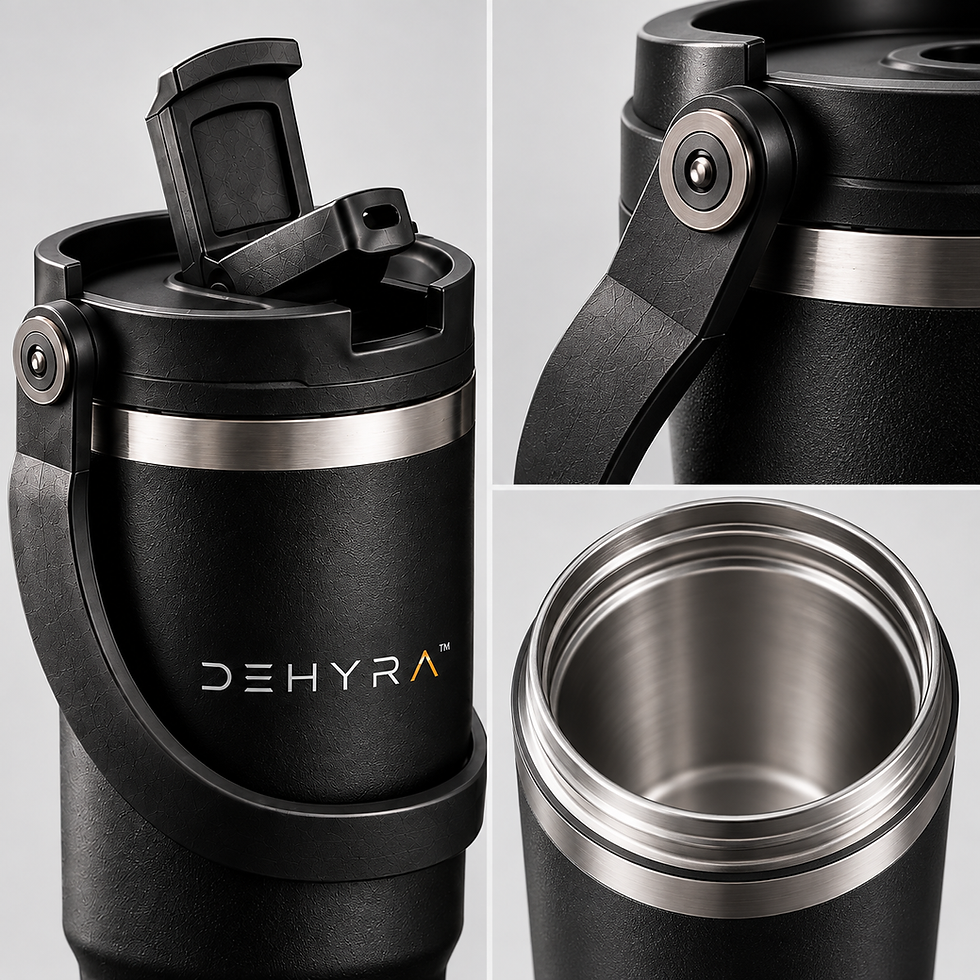
Remove the lid before washing. If the product is designed with removable seals, straws or other components, separate only the parts that the manufacturer intends to be removed. Cleaning these areas individually makes it easier to reach grooves and contact surfaces where moisture can remain.
Do not force out a seal or component that is not meant to be removed. Damaging a lid or gasket can affect how the bottle works.
3. Wash With Mild Dish Soap and Warm Water
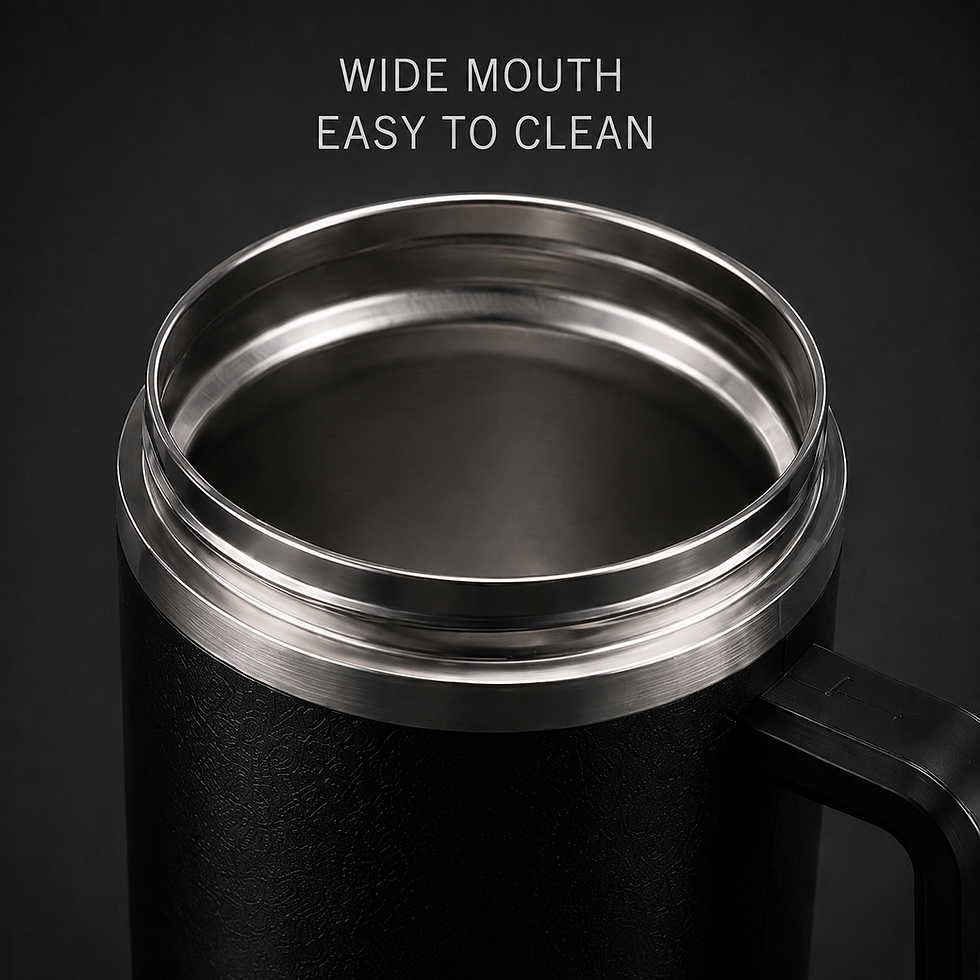
Add a small amount of mild dish soap and warm water to the bottle. Use a soft bottle brush to clean the interior walls and base. Pay extra attention to the bottom edge because residue can collect where it is harder to see.
For the outer surface, use a soft cloth or sponge. Avoid aggressive scrubbing that may mark a coated or finished surface.
4. Clean the Lid, Threads and Drinking Surface

The lid often needs more attention than the bottle body. Wash the drinking surface, screw threads, underside of the lid and any channels that regularly contact liquid. If your tumbler uses a straw or sipper path, use an appropriately sized soft brush to clean inside those passages.
A design with an accessible opening can make routine care easier. For example, larger insulated tumblers such as the DEHYRA Flow 1200 use a wide everyday-drinkware format that makes accessibility an important feature to consider when comparing products.
5. Rinse Thoroughly
After washing, rinse every part with clean water until no soap remains. Check the lid grooves and bottle base carefully because soap can stay trapped in small areas. A clean rinse also helps prevent a soapy taste during the next use.
6. Let Every Part Dry Completely
Drying is one of the most important parts of bottle care. Leave the bottle open and allow the lid and other washed components to air dry separately. Good airflow helps moisture escape instead of being trapped inside a closed bottle.
Only reassemble and close the bottle once the parts are fully dry.
How to Remove Odor From a Stainless Steel Water Bottle
If a bottle develops a persistent smell, wash it normally first. For occasional deeper cleaning, you can try warm water with a small amount of baking soda, let it sit for a short period, then scrub gently and rinse thoroughly. Baking soda can help loosen light residue and neutralize everyday odors without the need for abrasive scrubbing.
If the odor is coming from the lid, focus on the grooves, seal area and drinking surface rather than repeatedly treating only the bottle body. The lid is often where moisture and residue remain longest.
How to Clean Tea or Coffee Stains
Tea and coffee can leave visible discoloration over time. Start with warm soapy water and a soft brush. If a light stain remains, a small amount of baking soda mixed with water can be used as a gentle cleaning paste on accessible stainless steel surfaces. Rinse well afterward.
Do not use steel wool or harsh abrasive pads. They can scratch stainless steel and damage finished surfaces.
What Not to Use on a Stainless Steel Bottle
Steel wool or aggressive abrasive scrubbers
Strong chemicals unless the manufacturer specifically allows them
Very rough brushes that can scratch the interior or finish
A dishwasher unless the specific bottle and lid are clearly marked dishwasher safe
Sealing the bottle immediately after washing while moisture is still inside
When in doubt, follow the care guidance for the exact product rather than assuming every stainless steel bottle can be cleaned the same way.
How Often Should You Clean a Stainless Steel Water Bottle?
For everyday water use, wash the bottle regularly and pay attention to the lid and mouth area. If you use the bottle for coffee, tea, juice, milk-based drinks, flavored water or sports drinks, clean it promptly after use rather than leaving the drink inside for long periods.
Your routine matters more than following a rigid schedule. If the bottle develops residue, odor or visible buildup, it needs a more thorough clean.
Cleaning a Bottle Used for Office, Gym or Travel
Office bottles often sit closed on a desk for many hours, gym bottles can move between bags and workout spaces, and travel bottles may stay in vehicles or backpacks. In all three cases, a simple rinse-and-dry habit at the end of the day makes regular maintenance easier.
If you are still choosing a bottle, ease of cleaning should be considered alongside insulation, capacity, portability and lid design. Our insulated water bottle buying guide explains the main features to compare before buying.
Choose a Bottle That Is Easy to Maintain
A bottle that fits your routine is more likely to be cleaned consistently. Look for an opening that you can reach with your usual bottle brush, a lid you can rinse thoroughly and a carry format that matches how you use it. The DEHYRA Trek 900 is designed as a stainless steel travel tumbler with a carry handle for everyday movement between work, travel and active routines.
Frequently Asked Questions
Can I wash a stainless steel water bottle with dish soap?
Yes. Mild dish soap with warm water is suitable for routine cleaning for many stainless steel bottles. Always follow the care instructions for your specific bottle and lid.
How do I remove smell from a stainless steel bottle?
Wash the bottle and lid thoroughly first. For occasional deeper odor cleaning, warm water with a small amount of baking soda can help. Rinse completely and let every part dry before closing the bottle.
Can I put my stainless steel bottle in the dishwasher?
Only if the manufacturer specifically states that the bottle and its components are dishwasher safe. Hand washing is the safer default when the care instructions are unclear.
How do I clean the lid of a water bottle?
Use warm soapy water and a soft brush to clean the drinking surface, threads, grooves and accessible seal areas. Remove only components that are designed to be removable.
Why does my bottle smell even after washing?
Odor can remain in lid grooves, seals or other areas that stay damp. Clean those areas carefully and allow the bottle and lid to dry separately with good airflow.
How often should I deep clean a stainless steel bottle?
There is no single schedule for every bottle. Deep cleaning is useful when you notice odor, staining or buildup. Regular washing and thorough drying reduce the need for frequent deep cleaning.
Final Thoughts
Learning how to clean a stainless steel water bottle properly is mostly about consistency: wash with mild soap, reach the lid and interior with soft tools, rinse well and let every part dry fully. A few minutes of regular care can make the bottle easier and more pleasant to use every day.
DEHYRA™ — Premium drinkware made for every move. From workouts to workdays.
If you are comparing coffee drinkware for daily use, see our guide to choosing the best insulated coffee mug in India for practical tips on capacity, lid design, handle comfort and everyday usability.
If you prefer a larger everyday format, read our guide to choosing a tumbler with handle and straw for practical tips on insulation, lid design, portability and daily use.
For more practical guidance on everyday reusable drinkware, read our insulated tumbler with straw buying guide covering insulation, lid design, capacity, portability and daily use.

Comments